Cheese Commodity Credit
What would be money if the dollar were worthless? Historically, money was just the name of the most commonly traded commodity in an area. E.g. Salt (salary), obviously gold and silver, tobacco, cows, cotton, and sometimes even cheese.
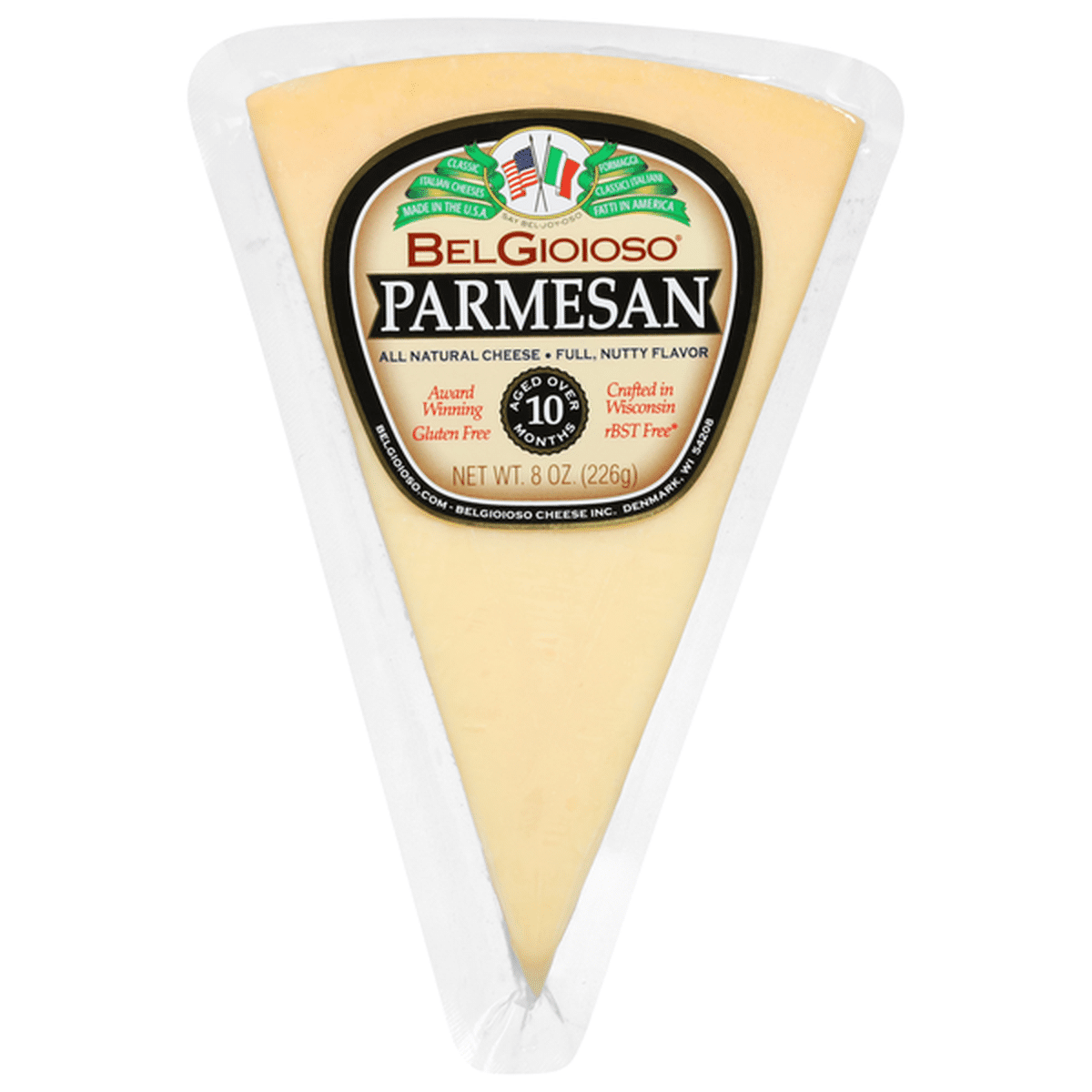
Indeed, today Credem Bank uses weights of cheese as collateral on loans. In Parma, Italy, farmers produce Parmesan cheese. The good stuff takes a couple of years to age appropriately, so the bank will offer them a loan until the producers can sell the cheese and make a profit. The bank stores the cheese and makes sure that it ages well.[1]
Jimmy Doherty of Food Unwrapped went to Italy in 2020 to interview Roberto Frignani of Credem Bank. Mr. Frignani is quoted as saying,
“We have 300,000 cheeses which we keep on behalf of the producers. With these cheeses, we have collateral against which we lend money.”
Continuing, he says,
“Because when the producers take the milk and manufacture this Parmigiano-Reggiano there is an average wait of 2 years before it can be sold. So, to keep the business afloat, producers obviously need money.”
If a bank can make a cheese loan, then they could just as easily create cheese credit or cheese cash- same for any commodity. Historically, banks prefer gold and silver. Paper money was originally just credit for gold and silver safely stored at a bank. Commodity credit could facilitate trade in a world where the dollar becomes worthless as the USA either default on the debt or print enough dollars to pay for it all.
The big cheeses own gold and silver.