Biblical Inflation
What if inflation makes the dollar worthless? How will you buy things? In Genesis 47 in the Bible, Joseph had spent 7 years saving up grain because he knew that a famine was coming. In exchange for grain so that people could make bread, he accepted silver, then capital, and then credit in that order.[1]
Genesis 47: 13- 22: All the world over, bread was still scarce, and the drought bore hardest on Egypt and on Chanaan, till at last Joseph had amassed all the money either land possessed in the royal treasury, through his sales of wheat. So, when they had nothing left to buy with, the Egyptians all came to Joseph asking to have bread given them for nothing; Wilt thou watch us starve, they asked, now that we have no more money left? If you cannot pay, he answered, bring your cattle here, and you shall have food in return for these. So they brought them and he bartered corn for horses and sheep and cattle and asses, feeding them the whole of that year and taking their beasts as the price. By the next year, they came to him and said, My lord, we must needs be open with thee; we have come to the end of our cattle, as well as our money; thou canst see for thyself that nothing is left us except our lives and our lands. Do not watch us starve; thou shalt have the disposal of our lands and of ourselves, making both of these the king’s property, and giving us seed-corn in return; if not, the land will become a wilderness for want of tillage. So Joseph bought the whole land of Egypt, one and all selling their possessions to him because the famine was so grievous; and he made it Pharao’s property, with all the inhabitants of it from one end of Egypt to the other; except the land which the king had assigned to the priests. These had a fixed allowance of food made to them from the royal store-houses, and there was no occasion for them to sell their lands.
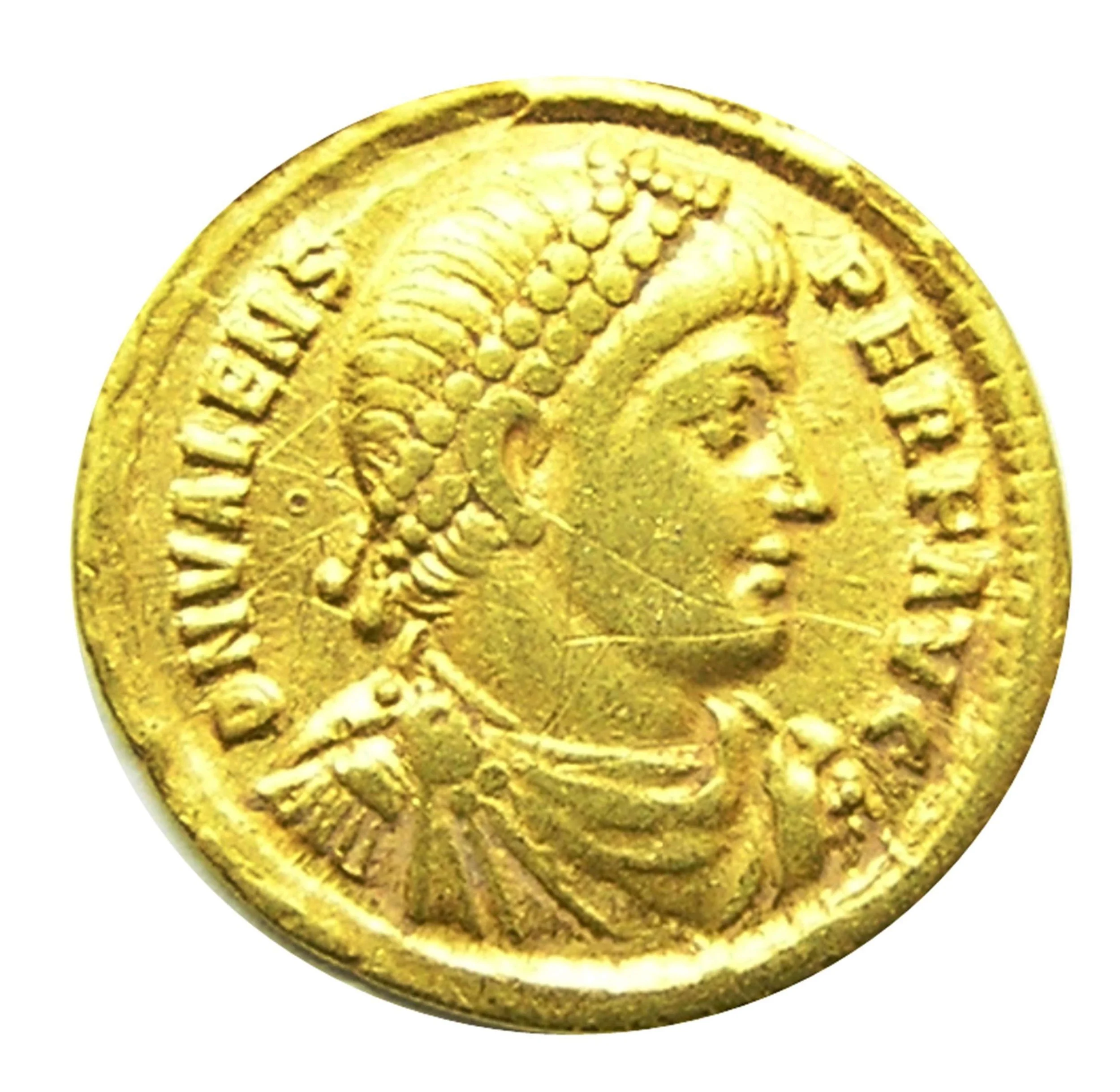
In exchange for the grain, Joseph accepted silver first. While the translation says money, in Hebrew, the word is literally silver (ha-ke-sep/ keseph). Silver is money. One would assume that he would also accept gold.[2]
After silver, he accepted tools/capital in the form of farm animals. Horses/asses can be used to move things and plough fields. Cattle can make milk and be eaten.
Those who had nothing to barter could only offer their labor in trade. Without tools to make their labor productive, and in desperate need of food, they offered years of labor in exchange for their food. They promised to pay 20% of their income for the rest of their lives- and their children’s lives. So, credit was actually the last form of payment accepted.
Genesis 47:23-26: 23 Joseph said to the people, You can see for yourselves now that Pharao is lord of your lives and lands; you shall have seed-corn to sow your fields with, and when harvest-time comes you shall give up a fifth of your crops to the king; the other four-fifths I will grant you for the next sowing, and to feed your households and your children. Our lives are in thy hand, they said; as long as we enjoy my lord’s favour, we will gladly be the king’s servants. All over Egypt, from that day to this, the payment of the fifth is a custom which has the force of law, except in the priests’ lands, which are bound by no such conditions.
Hopefully, those without silver and tools have good credit with their neighbors, if the dollar does become worthless as it becomes worth less and less every day.
Of course, the dollar can still be backed by the gold and silver held by the USA at Fort Knox, assuming that it is still there. However, to account for the debt, backing the dollar with real money will result in biblical inflation for those without gold and silver.
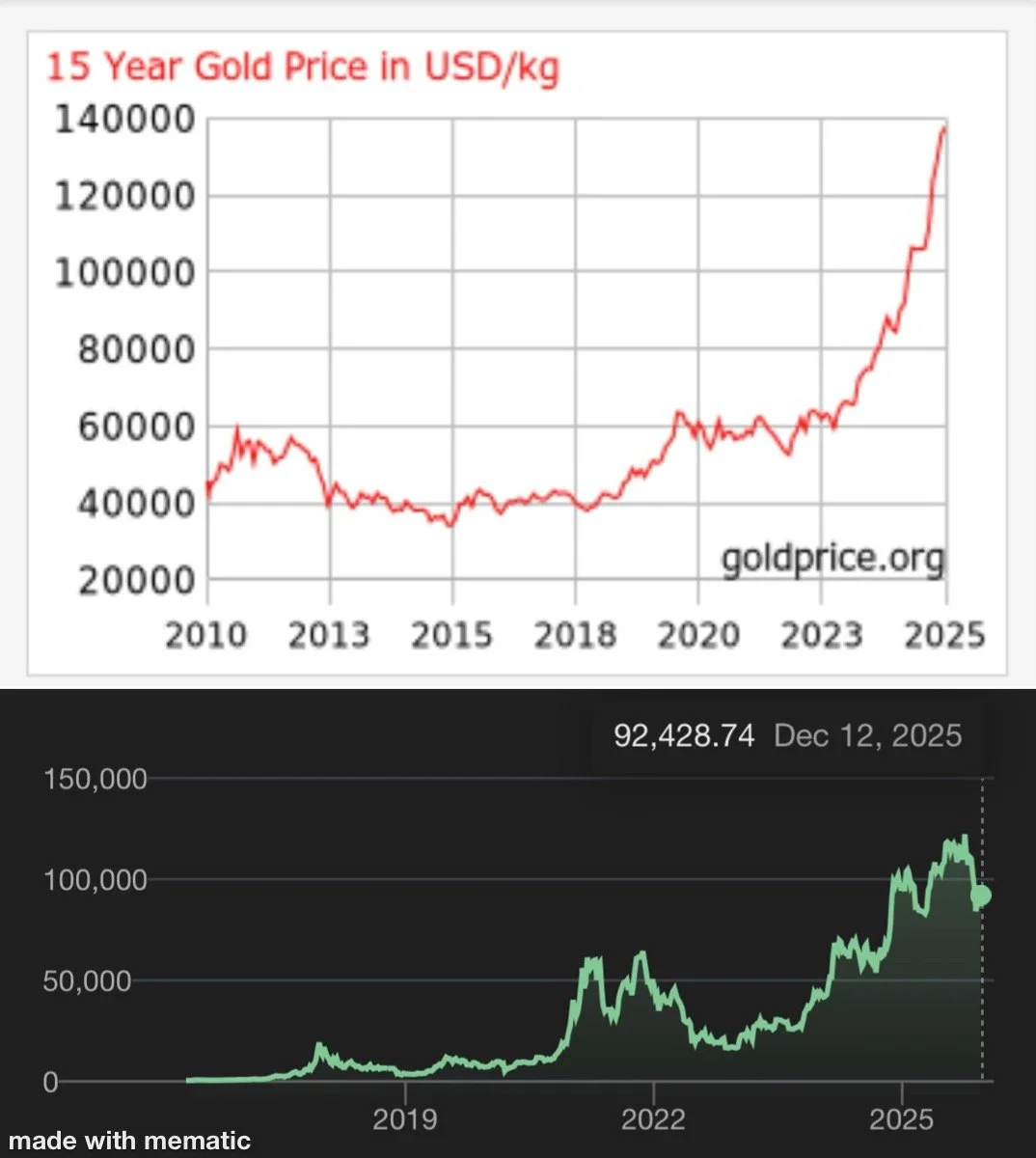
Exempli gratia, $38 trillion debt is easier to pay with gold if an ounce of gold is worth $1,000,000 instead of $4,200. What would bread cost the average person if real money is so expensive? What would silver be worth at that point?*
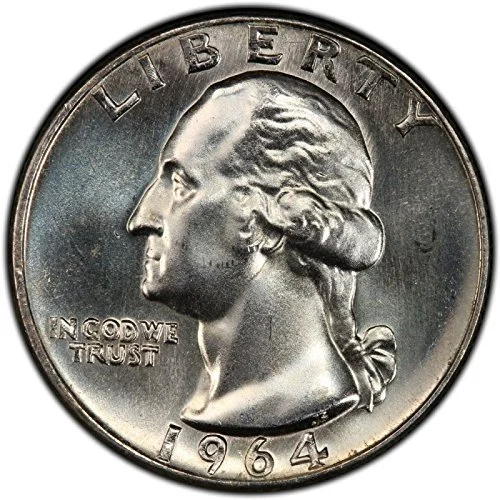
America used to mint gold and silver coins. Before 1965, American dimes, quarters, half-dollars, and dollars were 90% silver and 10% copper. 1964 prices for people with 1964 money. Biblical inflation for everyone else.
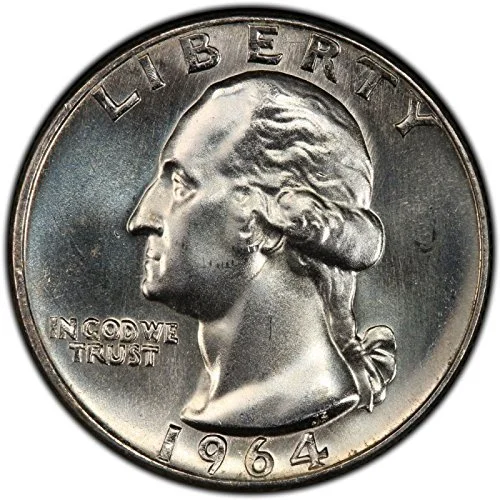
*End Note: The historic silver to gold ratio is 15:1. The current ratio is roughly 65:1 ($4,200 gold per ounce divided by $64 silver per ounce). That means that either gold is overvalued or silver is undervalued. Considering that the government won’t stop printing money, the author would assume that silver is undervalued.
$1,000,000 divided by 15 is $66,666.